



Bcl-2 Family Activator
-
n-Butyl-β-D-fructofuranoside
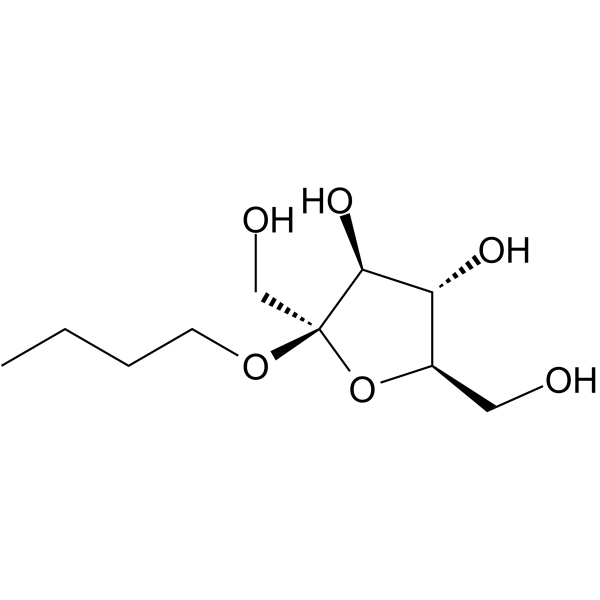 0 ImagesCat. No.: HY-N9802CAS No.: 80971-60-4
-
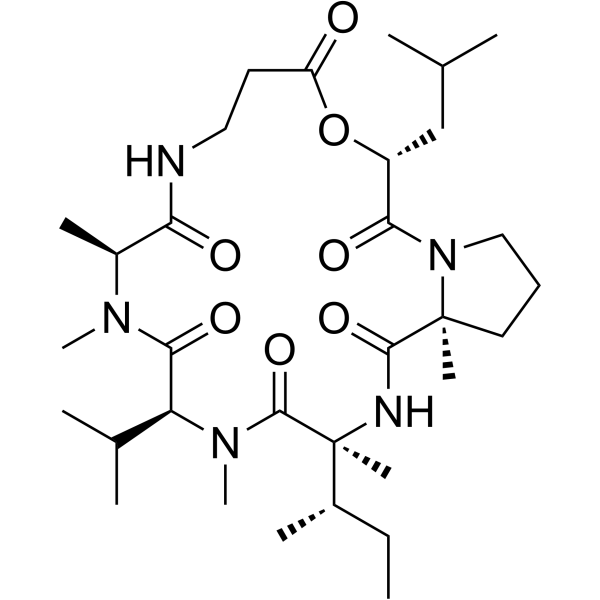
Destruxin B
 0 Images
Destruxin B, isolated from entomopathogenic fungus Metarhizium anisopliae, is one of the cyclodepsipeptides with insecticidal and anticancer activities. Destruxin B induces apoptosis via a Bcl-2 Family-dependent mitochondrial pathway in human nonsmall cell lung cancer cells. Destruxin B significantly activates caspase-3 and reduces tumor cell proliferation through caspase-mediated apoptosis, not only in vitro but also in vivo.
-
PRT543
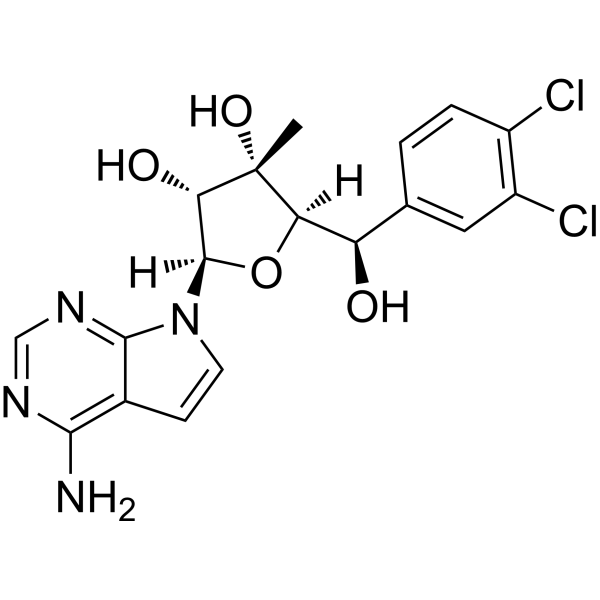 0 ImagesCat. No.: HY-141876CAS No.: 2278356-90-2
PRT543 is an orally active selective PRMT5 inhibitor. PRT543 reduces intracellular symmetric dimethylarginine (sDMA) levels, downregulates the expression of genes related to DNA damage repair and DNA replication pathways, and induces abnormal alternative splicing. PRT543 inhibits the MYB, NOTCH1 and PI3K/AKT signaling pathways, promotes nuclear translocation of FOXO1, upregulates the pro-apoptotic protein BAX, and enhances cellular sensitivity to BCL-2 inhibition. PRT543 disrupts the normal RNA splicing process and exerts a synthetic lethal effect on myeloid tumor cells carrying splicing factor mutations. PRT543 can be used in research related to various cancers including breast cancer, ovarian cancer and acute myeloid leukemia.
-
Diallyl Trisulfide (Standard)
 0 ImagesCat. No.: HY-117235RCAS No.: 2050-87-5
Diallyl Trisulfide (Standard) is the analytical standard of Diallyl Trisulfide. This product is intended for research and analytical applications. Diallyl Trisulfide is an orally active anticancer agent that can be isolated from garlic. Diallyl Trisulfide has the ability to induce apoptosis and exhibits anticancer, anti-inflammatory, antioxidant, and antibacterial activities. Diallyl Trisulfide can be used to study a variety of cancers, including liver, colon and prostate cancer[1][2][3][4].
-
Koumine (Standard)
 0 Images
Koumine (Standard) is the analytical standard of Koumine. This product is intended for research and analytical applications. Koumine is an alkaloid separated from Gelsemium elegans, shows potent anti-tumor activity. Koumine up-regulates the Bax/Bcl-2 ratio and caspase-3 expression in human breast cancer cells. Koumine has anxiolytic, antistress, antipsoriatic, and analgesic activities, protects against the development of arthritis in Rheumatoid arthritis (RA) animal models.
-
Trijuganone C
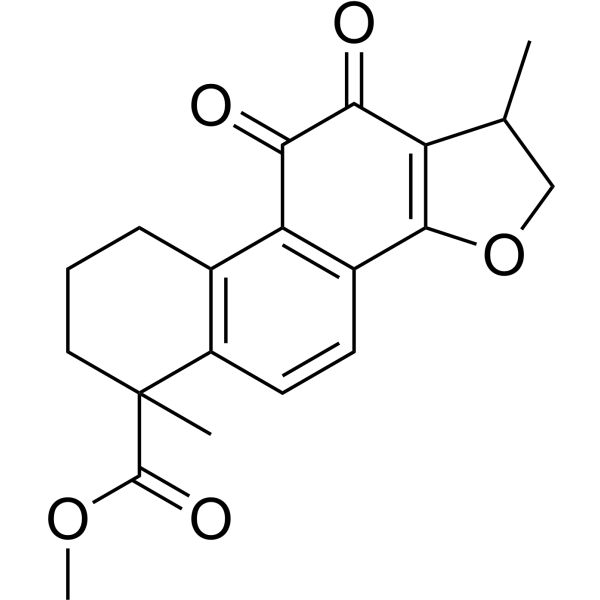 0 ImagesCat. No.: HY-N8617CAS No.: 135247-94-8
Trijuganone C is a tanshinone-type diterpenoid compound. Trijuganone C can be isolated from the roots of Salvia miltiorrhiza Bunge. Trijuganone C induces chromatin condensation, DNA fragmentation, activation of Caspase-3, -8 and -9, as well as cleavage of PARP. Trijuganone C activates Bid and Bax, leading to loss of mitochondrial membrane potential and inducing the release of cytochrome c from mitochondria into the cytosol. Trijuganone C exerts antiproliferative effects through Apoptosis induction mediated by Mitochondrial dysfunction and Caspase activation. Trijuganone C exhibits significant antiproliferative activity against leukemia cells and colon cancer cells.
-
FuBIG
 0 ImagesCat. No.: HY-182469
FuBIG is an iminoguanidine derivative with neuroprotective effects. FuBIGL inhibits L-LDH activation and reduces lactate production. FuBIGL exerts protective effects on inflammatory nerve cells, upregulates the expressions of AMPK, pAMPK and FOXO3, and activates the AMPK pathway in cells. FuBIG exerts anti-inflammatory effects by reducing pro-inflammatory cytokines (IL-6, IL-1β, TNF-α) and increasing the anti-inflammatory cytokine IL-10. FuBIG maintains mitochondrial membrane potential, alleviates mitochondrial dysfunction, reduces ROS production, and relieves oxidative stress. FuBIG upregulates Bcl-2, downregulates Bax and Caspase-3, and inhibits cell apoptosis (apoptosis). FuBIG improves metabolic disorders in diabetic mice, decreases the levels of LDL-C, ALT and AST, and increases HDL-C level simultaneously. FuBIG can be used in the research of diabetic neuroinflammation.
-
Jaceosidin (Standard)
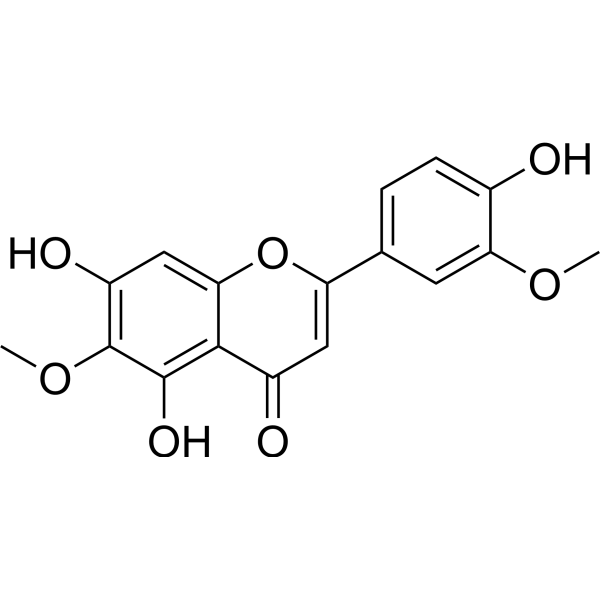 0 ImagesCat. No.: HY-N0831RCAS No.: 18085-97-7
Jaceosidin (Standard) is the analytical standard of Jaceosidin. This product is intended for research and analytical applications. Jaceosidin is a flavonoid isolated from Artemisia vestita, induces apoptosis in cancer cells, activates Bax and down-regulates Mcl-1 and c-FLIP expression. Jaceosidin exhibits anti-cancer, anti-inflammatory activities, decreases leves of inflammatory markers, and suppresses COX-2 expression and NF-κB activation.
-
Nivalenol-13C15
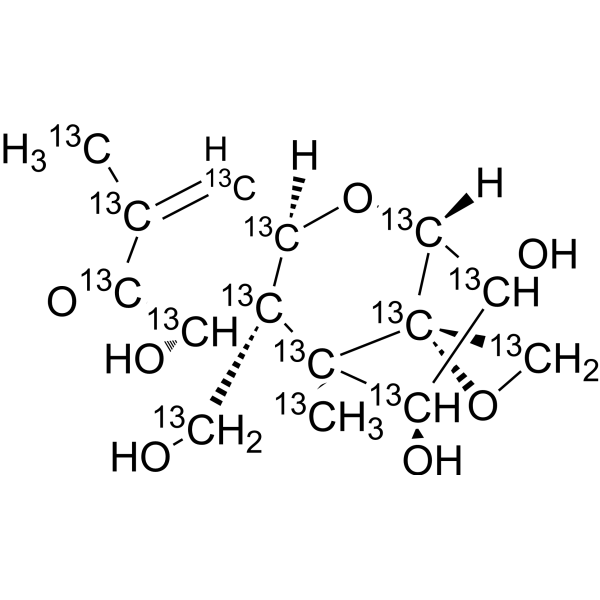 0 ImagesCat. No.: HY-N6801SCAS No.: 911392-40-0
Nivalenol-13C15 is the 13C labeled Nivalenol (HY-N6801). Nivalenol, a trichothecene mycotoxin that can be produced by Fusarium graminearum, is a fungal metabolite present in agricultural product. Nivalenol modulates apoptotic pathway, cell cycle regulation, Bax, ERK, caspase-3, and poly-ADP-ribose synthase activity in macrophages. Nivalenol inhibits ribosomal peptidyltransferase site, protein synthesis, DNA synthesis, and cell proliferation. Nivalenol induces late-stage apoptotic morphological changes, reduces cellular metabolism, and decreases cell proliferation in erythroleukemia cells. Nivalenol induces lymphocyte apoptosis in murine thymus, spleen, and Peyer's patches. Nivalenol can be used for the research of erythroleukemia.
-
TFSeB
 0 ImagesCat. No.: HY-174419CAS No.: 3017240-62-6
TFSeB is an orally active neuroprotective agent. TFSeB can reduce Streptozotocin (STZ) (HY-13753) induced MAO-B and AChE activity. TFSeB exerts neuroprotective effects by increasing the expression of BCL-2, BDNF, NRF2, and decreasing the expression of BAX. TFSeB can reduce lipid peroxidation (TBARS) and reactive oxygen species (ROS) levels. TFSeB can reduce neuroinflammation. TFSeB can be used for research on Alzheimer’s disease.
-
EGFR/BRAFV600E-IN-2
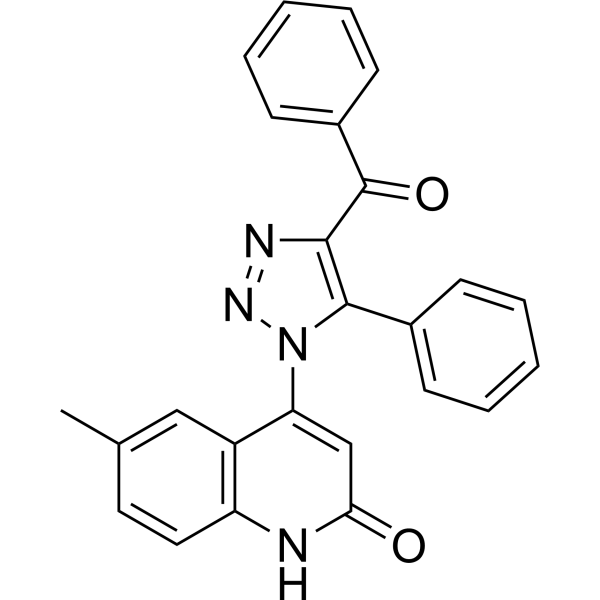 0 ImagesCat. No.: HY-149517
EGFR/BRAFV600E-IN-2 (compound 3g) is a potential multi-target inhibitor of EGFR, BRAFV600E, and EGFRT790M, and an inducer of apoptosis. EGFR/BRAFV600E-IN-2 can activate caspase-3, 8, and Bax, and downregulate the anti-apoptotic protein Bcl2, inducing apoptosis. EGFR/BRAF V600E-IN-2 also has antioxidant activity and DPPH free radical scavenging potency.
-
Gymnoside II
 0 ImagesCat. No.: HY-N16929CAS No.: 899430-02-5
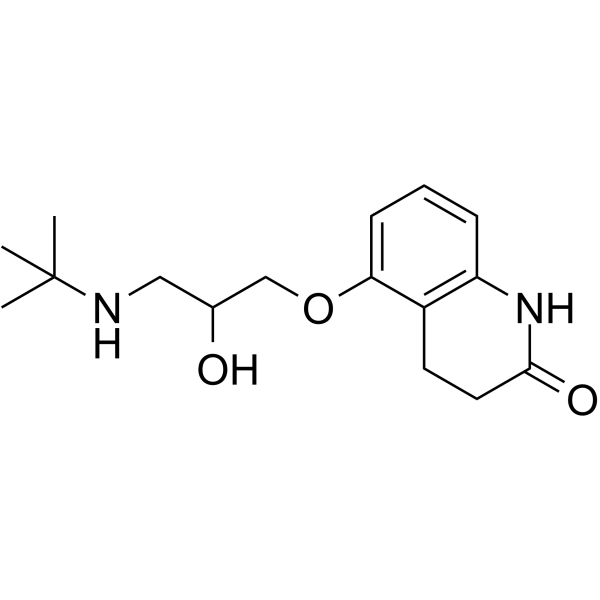
Gymnoside II is one of the main bioactive constituents isolated from Bletilla striata. Gymnoside II inhibits nano SiO2-induced A549 cell viability reduction, apoptosis, and ROS generation by activating Nrf2. Gymnoside II upregulates HO-1 and γ-GCSc, while downregulating the Bax/Bcl-2 ratio. Gymnoside II is applicable for research on nano SiO2-induced pulmonary injury.
-
PROTAC BRD4 Degrader-42
 0 ImagesCat. No.: HY-180150
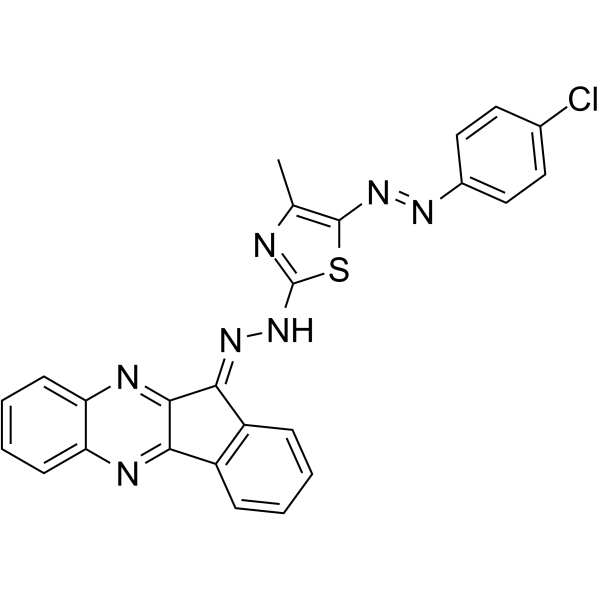
PROTAC BRD4 Degrader-42 (Compound P6) is a PROTAC-based BRD4 degrader with a DC50 of 1.11 μM. PROTAC BRD4 Degrader-42 promotes the ubiquitination and degradation of BRD4. PROTAC BRD4 Degrader-42 downregulates c-Myc expression and induces Apoptosis by upregulating BAD and BAX protein expression. PROTAC BRD4 Degrader-42 also exhibits anticancer activity against myeloid monocytic leukemia.
-
ST09
 0 ImagesCat. No.: HY-15668CAS No.: 1370037-59-4
ST09 is an efficient and low toxicity Curcumin (HY-N0005) derivative. ST09 significantly inhibits cell migration and downregulates the expression of MMP1, MMP2, and Vimentin. ST09 has strong cytotoxicity to breast cancer cells, such as MDA-MB-231, MCF7 and T47D cells. ST09 induces cell apoptosis by upregulating Bax and cleaved caspase-3/9. ST09 can be used in the research of cancer such as breast cancer.
-
Carveol (Standard)
 0 ImagesCat. No.: HY-W017370RCAS No.: 99-48-9
Carveol (Standard) is the analytical standard of Carveol. This product is intended for research and analytical applications. Carveol is an orally active monoterpenoid alcohol with neuroprotective, antioxidant, anti-inflammatory, anticonvulsant, antidiabetic, hypolipidemic and hepatoprotective activities. Carveol upregulates the expression of Bcl2, downregulates the expression of caspase-3, TNF-α, IL1β and IL6, activates the Nrf2/HO-1 antioxidant signaling pathway, inhibits the RAGE/NF-κB signaling pathway, and suppresses neuroinflammation and neuronal apoptosis. Carveol inhibits α-synuclein aggregation, improves cognitive ability, and inhibits α-amylase activity. Carveol exerts neuroprotective effects in a rat model of Parkinson's disease. Carveol exhibits antidiabetic effects in alloxan-induced diabetic rats. Carveol alleviates PTZ-induced seizures in rats. Carveol can be used in research related to Parkinson's disease, epilepsy, diabetes and ischemic stroke.
-
Polygalasaponin F (Standard)
 0 ImagesCat. No.: HY-N0392RCAS No.: 882664-74-6
Polygalasaponin F (Standard) is the analytical standard of Polygalasaponin F. This product is intended for research and analytical applications. Polygalasaponin F is an orally active triterpenoid saponin monomer. Polygalasaponin F downregulates the expression of Bax, p53, caspase-3, NF-κB p65 and MEK1; restores and upregulates the expression of Bcl-2; activates the PI3K/Akt signaling pathway; inhibits the phosphorylation of p38 MAPK, nuclear translocation of NF-κB, TLR4-mediated signaling pathway, mitophagy (Mitophagy) and ROS production; enhances cell viability and suppresses apoptosis (Apoptosis). Polygalasaponin F maintains mitochondrial function, alleviates Ca2+ overload, upregulates pCREB and BDNF, preserves cell viability and inhibits the release of inflammatory cytokines. Polygalasaponin F alleviates lung injury induced by influenza A H1N1 and cerebral ischemia-reperfusion injury. Polygalasaponin F is applicable to researches related to Parkinson's disease, cerebral ischemia, pneumonia induced by influenza A H1N1, stroke and Alzheimer's disease.
-
Topoisomerase I inhibitor 17
 0 ImagesCat. No.: HY-168739CAS No.: 2413582-45-1
Topoisomerase I inhibitor 17 (Compound 7h) is a Topoisomerase I (Top1) inhibitor. Topoisomerase I inhibitor 17 reduces DDX5 and reverses the locking of Top1 activity by DDX5. Topoisomerase I inhibitor 17 induces Top1-mediated DNA damage and promotes reactive oxygen species (ROS) production. Topoisomerase I inhibitor 17 induces Apoptosis (reduces antiapoptotic proteins XIAP, Bcl-2, Survivin and up-regulates pro-apoptotic proteins Bax, γH2AX). Topoisomerase I inhibitor 17 also blocks the progression of the G2/M checkpoint and induces cell cycle arrest. Topoisomerase I inhibitor 17 significantly inhibits colony formation and cell migration in colorectal cancer cells. Topoisomerase I inhibitor 17 effectively reduces tumors in human PDX tumor mice.



